Dutch regulator halts Polymarket over unlicensed prediction markets, sets €840,000 fines
The Netherlands has ordered US-based prediction platform Polymarket to cease services for Dutch residents, citing unlicensed gambling activities amid escalating European regulatory scrutiny and sig...
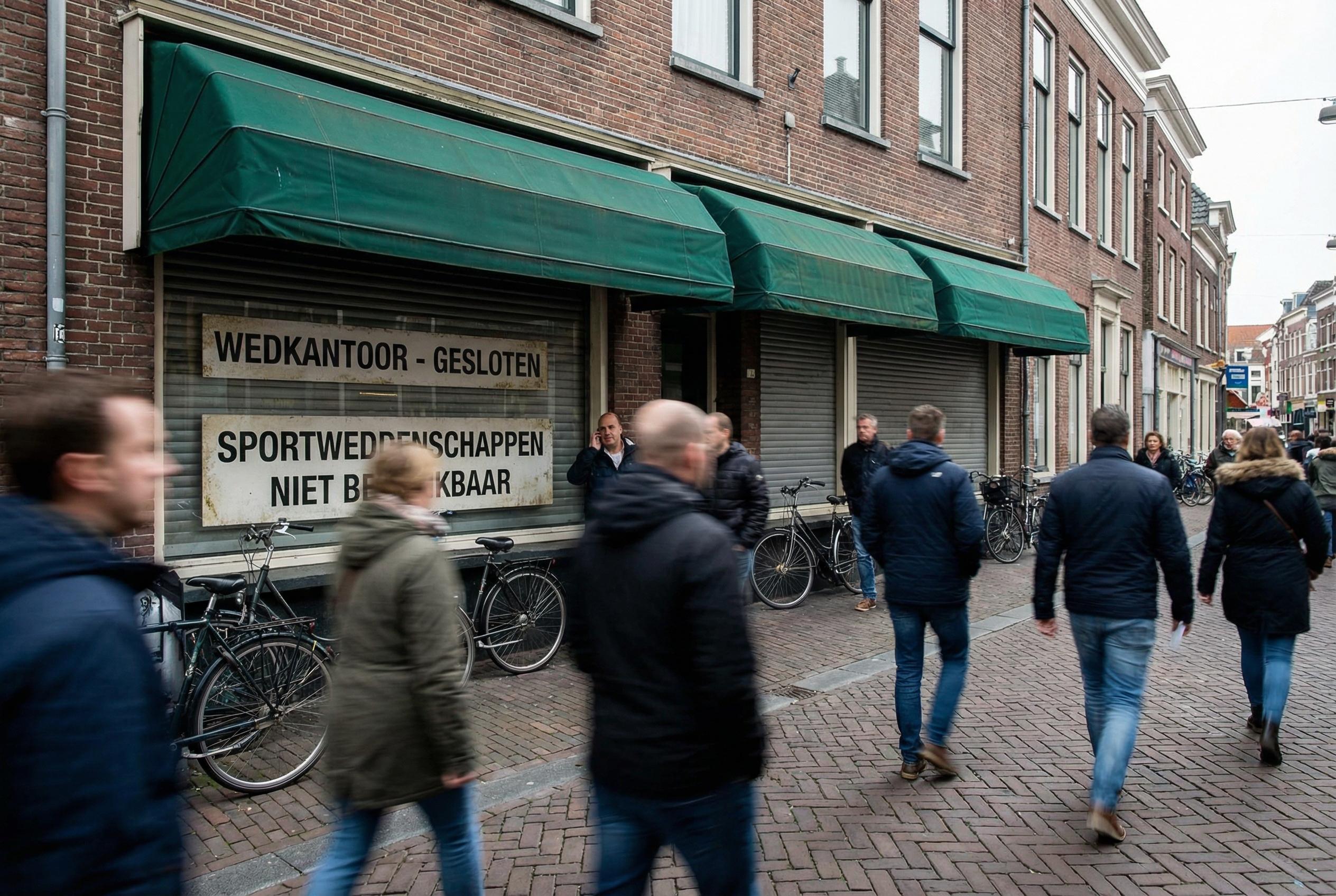
The Netherlands has ordered US-based prediction platform Polymarket to cease services for Dutch residents, citing unlicensed gambling activities amid escalating European regulatory scrutiny and significant fines.
The Netherlands has ordered U.S.-based prediction platform Polymarket to stop offering services to Dutch residents, in a move the national gambling regulator described as enforcement of the country’s betting laws. The Kansspelautoriteit said the operator, registered as Adventure One QSS Inc., was providing unlicensed remote gambling and must halt those activities immediately.
According to the regulator’s decision, non‑compliance will trigger an administrative fine of €420,000 per week, with a statutory cap of €840,000. The formal order set a compliance deadline in January 2026 and warned the penalties would be applied if access and wagering continued.
The Ksa told reporters and stakeholders it reached its conclusion after determining Polymarket’s markets allow users to stake funds on outcomes that amount to games of chance under Dutch law. Regulators say they tested the site’s accessibility to Dutch users and found residents could place bets on domestic political outcomes, a factor that heightened enforcement urgency.
Polymarket bills itself as a prediction market where participants buy and sell positions tied to future events across politics, economics and global affairs. Supporters argue such markets aggregate information efficiently, but European authorities increasingly treat the activity as gambling because users risk money on event outcomes. The Ksa rejected the operator’s characterisation of its service as merely a trading or forecasting tool.
Regulators across Europe have been scrutinising similar platforms amid an absence of a single EU framework governing event‑based markets. Belgium and other jurisdictions have already taken measures to block or restrict access to unlicensed sites, leaving cross‑border operators facing a patchwork of national rules and growing enforcement.
Polymarket’s regulatory record extends beyond Europe. The Commodity Futures Trading Commission in the United States required the company, then operating as Blockratize, Inc., to pay a $1.4 million civil penalty and wind down unregistered event‑based contracts after finding violations of U.S. derivatives law. The CFTC order required cessation of non‑compliant markets and reflected continued scrutiny of event markets regardless of technological form.
Dutch authorities framed the action as primarily protective of consumers and market integrity, pointing to safeguards that licensed operators must follow, such as identity checks, anti‑money‑laundering controls and dispute resolution. The Ksa subsequently instructed internet service providers to block transactional access so Dutch users can browse but not participate, while reserving the right to pursue fines for any continued provision of services.
Industry observers say the Netherlands’ stance could reverberate across the prediction‑market sector. Firms wishing to retain European users may need to adopt geofencing, local compliance programmes or seek licences where available, while investors factor heightened regulatory risk into valuations. The episode also revived ethical debates about monetising political and conflict scenarios, prompting calls for clearer rules that balance innovation with public protection.
Source Reference Map Inspired by headline at: [1]
Sources by paragraph: - Paragraph 1: [2],[5] - Paragraph 2: [2],[5] - Paragraph 3: [2],[3] - Paragraph 4: [3],[4] - Paragraph 5: [2],[6] - Paragraph 6: [4] - Paragraph 7: [3],[5] - Paragraph 8: [6],[2]
Source: Noah Wire Services