OpenAI dismisses employee over suspected insider trading on prediction markets
OpenAI has terminated an employee following an internal investigation into alleged use of non-public information for trading on prediction platforms like Polymarket, highlighting ongoing concerns a...
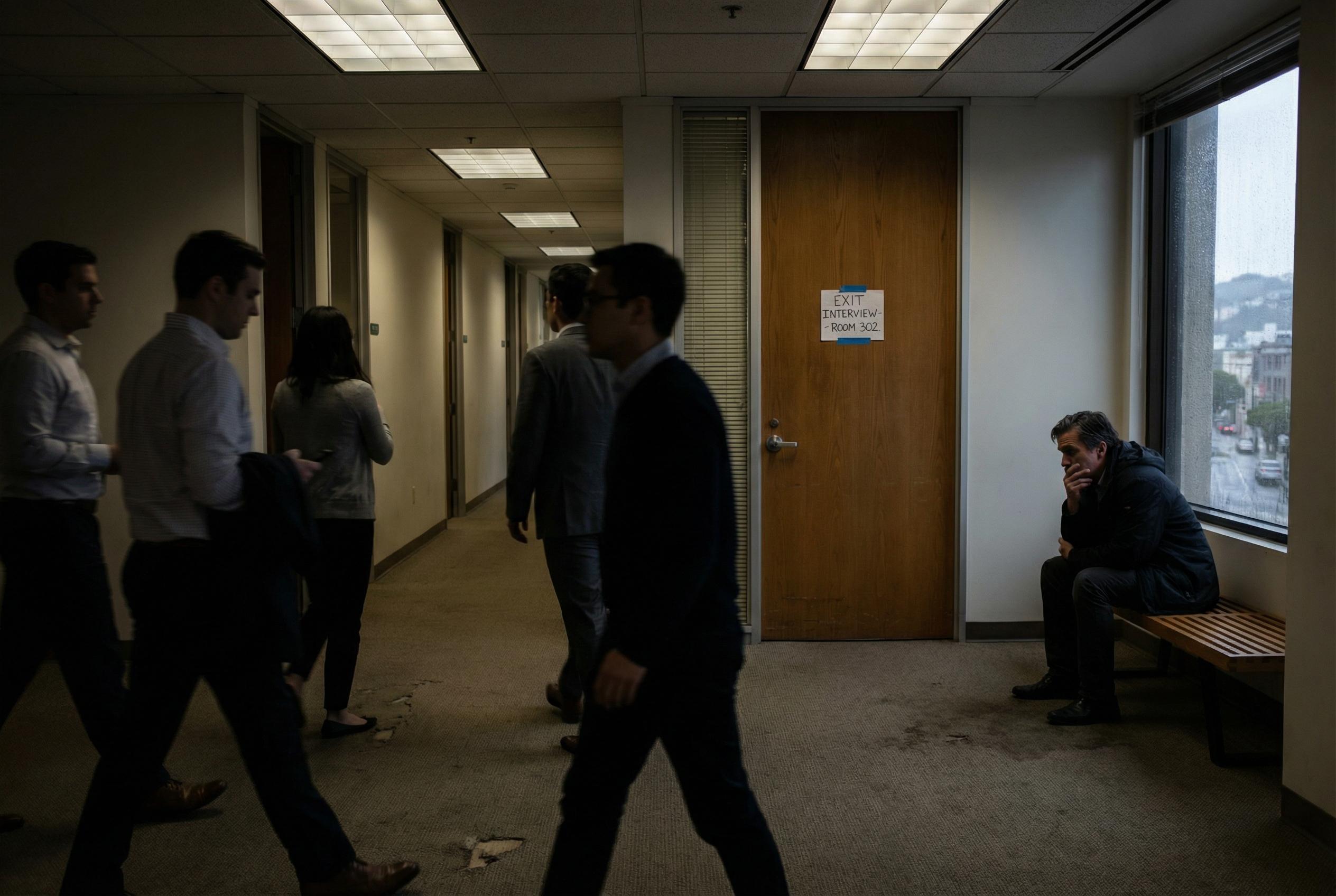
OpenAI has terminated an employee following an internal investigation into alleged use of non-public information for trading on prediction platforms like Polymarket, highlighting ongoing concerns about insider trading risks in rapidly growing event markets.
OpenAI has dismissed an employee after an internal investigation found they traded on public prediction markets using non-public company information, according to WIRED reporting and corroborating analysis. The company’s rules bar staff from exploiting confidential OpenAI material for personal profit on platforms such as Polymarket.
Fidji Simo, OpenAI’s chief of applications, disclosed the termination in an internal message earlier this year, saying the employee “used confidential OpenAI information in connection with external prediction markets (e.g. Polymarket).” A spokesperson, Kayla Wood, reiterated that the firm’s policies forbid such conduct, though OpenAI has not identified the individual or detailed the trades.
Independent pattern analysis by the financial-data service Unusual Whales flagged clusters of suspicious activity tied to OpenAI-related events, noting fresh, short-lived wallets placing concentrated wagers immediately before product announcements and personnel developments. “The tell is the clustering. In the 40 hours before OpenAI launched its browser, 13 brand-new wallets with zero trading history appeared on the site for the first time to collectively bet $309,486 on the right outcome,” Unusual Whales CEO Matt Saincome told WIRED.
The episode sits within a wider industry debate about whether rapidly growing prediction markets make it too easy to monetise insider knowledge. Market operators and regulators are increasingly confronting that risk as trading in event contracts , covering everything from product launches to personnel moves , becomes mainstream among retail and institutional customers. Industry commentary has described the space as prone to manipulation if market operators cannot reliably detect and deter trades based on privileged information.
Some platforms have moved to enforce rules publicly. Kalshi has opened investigations and reported multiple suspected insider-trading cases to the Commodity Futures Trading Commission, and in February it penalised an editor for a high-profile YouTuber who placed trades using non-public information, imposing a multi-thousand-dollar fine and a two-year suspension. News outlets including CBS News, Bloomberg and TechCrunch report the individual involved was Artem Kaptur and that Kalshi has pursued other disciplinary actions as part of wider compliance efforts.
Polymarket, which records trades on the Polygon blockchain making activity pseudonymous but traceable, has not publicly responded to requests for comment. The combination of on‑chain traceability, recurring clusters of new wallets around discrete company events and high-value wins has fuelled calls for stronger oversight and clearer standards from both market operators and regulators to protect market integrity. Past high-profile accounts that profited from tech-related markets have intensified scrutiny of how exchanges detect and deter insider-driven activity.
Source Reference Map Inspired by headline at: [1]
Sources by paragraph: - Paragraph 1: [2] - Paragraph 2: [2] - Paragraph 3: [2] - Paragraph 4: [2] - Paragraph 5: [3], [4], [6] - Paragraph 6: [2], [5]
Source: Noah Wire Services