Prediction markets accelerate into mainstream financial and consumer sectors with multi-billion dollar investments
Prediction markets are rapidly evolving from niche platforms to valuable tools for institutional trading and consumer betting, marked by a $2 billion ICE investment in Polymarket and new strategic ...
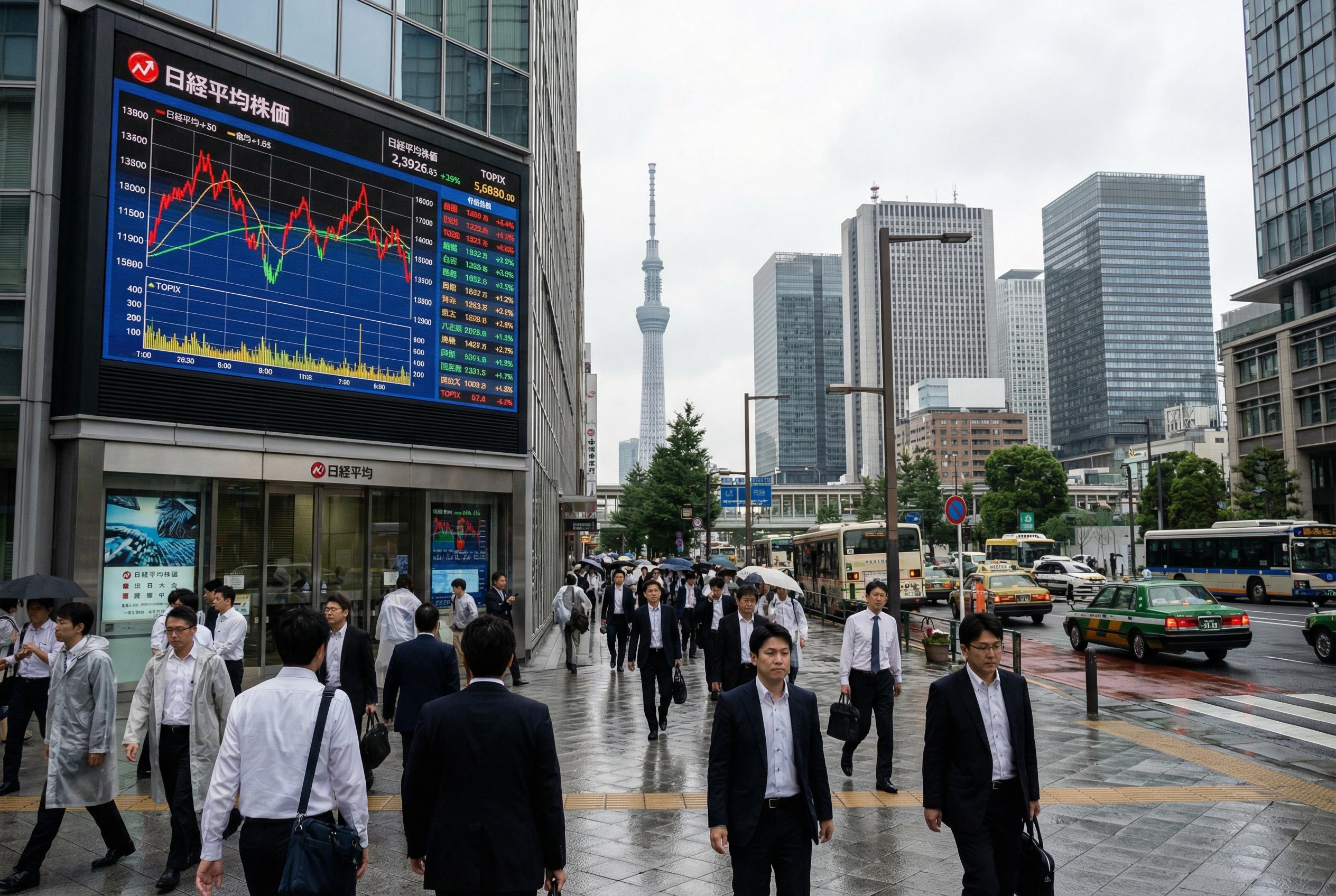
Prediction markets are rapidly evolving from niche platforms to valuable tools for institutional trading and consumer betting, marked by a $2 billion ICE investment in Polymarket and new strategic partnerships across finance and sports sectors.
Prediction markets have moved rapidly from a niche trading curiosity to a major source of market intelligence and commercial interest, with trading volumes surging into the tens of billions in 2025 and prompting established financial firms to take stake. According to industry coverage, platforms that allow users to bet on outcomes from elections to macroeconomic events have seen explosive growth, drawing attention from exchanges and betting companies alike. (Paragraph sources: industry summaries and reporting)
The biggest signal came when Intercontinental Exchange, owner of the New York Stock Exchange, agreed to invest up to $2 billion in Polymarket, a blockchain-based prediction platform. News outlets reported the deal granted ICE rights to distribute Polymarket’s event-driven data to institutional clients and was structured to support future tokenisation initiatives, effectively linking crowd-sourced probabilities to traditional market data feeds. Analysts described the transaction as a watershed moment that positions prediction-market probabilities as an emergent asset class for trading desks.
ICE has moved quickly to commercialise that data. The exchange is packaging Polymarket-derived probabilities into analytics products designed for institutional use, aiming to provide a real-time sentiment overlay that can inform trading and risk decisions ahead of news events. Market commentators note the strategic logic: hedge funds and brokerages value timely, alternate-signal information, and an exchange-controlled distribution channel could accelerate adoption among large market participants.
Consumer-facing operators are also adapting. DraftKings expanded its Predictions product across many more U.S. states than its sportsbook reaches, opening regulated event contracts in jurisdictions where traditional sports betting remains restricted. The company has deepened its media integrations, most notably through a commercial partnership that embeds its odds and offerings into major sports platforms, and it is developing internal market-making capabilities intended to monetise trading volumes and transaction fees.
Smaller, more speculative plays are pursuing adjacent strategies. One policy-tech firm with longstanding legislative-tracking tools launched a preview of political prediction markets, leveraging its repository of regulatory and policy analytics to create markets tied to legislative outcomes. Company executives framed the move as an extension of their analytics business and suggested sponsored or advocacy-backed markets could become a new revenue channel, although the firm’s market capitalisation and financial footing make the opportunity higher risk for investors.
For investors the choices differ by risk profile. Exchange-linked exposure offers a relatively conservative route to benefit from institutional demand for sentiment data, while media and betting companies provide a blend of consumer distribution and wagering economics. Smaller technology specialists promise asymmetric upside if prediction markets become a mainstream commercial layer for policy and political intelligence, but they also carry greater execution and financing risk. Industry reporting suggests the category is still early, with regulatory, technological and commercial hurdles yet to play out as firms race to turn probabilistic information into monetisable products.
Source Reference Map Inspired by headline at: [1]
Sources by paragraph: - Paragraph 1: [2], [3] - Paragraph 2: [3], [5], [6], [7] - Paragraph 3: [5], [6], [7] - Paragraph 4: [2], [4] - Paragraph 5: [2] - Paragraph 6: [2], [6]
Source: Noah Wire Services