Prediction markets accelerate mainstream finance as traders stake billions on outcomes
Prediction markets like Kalshi and Polymarket are rapidly moving from niche platforms to mainstream financial instruments, attracting billion-dollar valuations and prompting industry-wide scrutiny ...
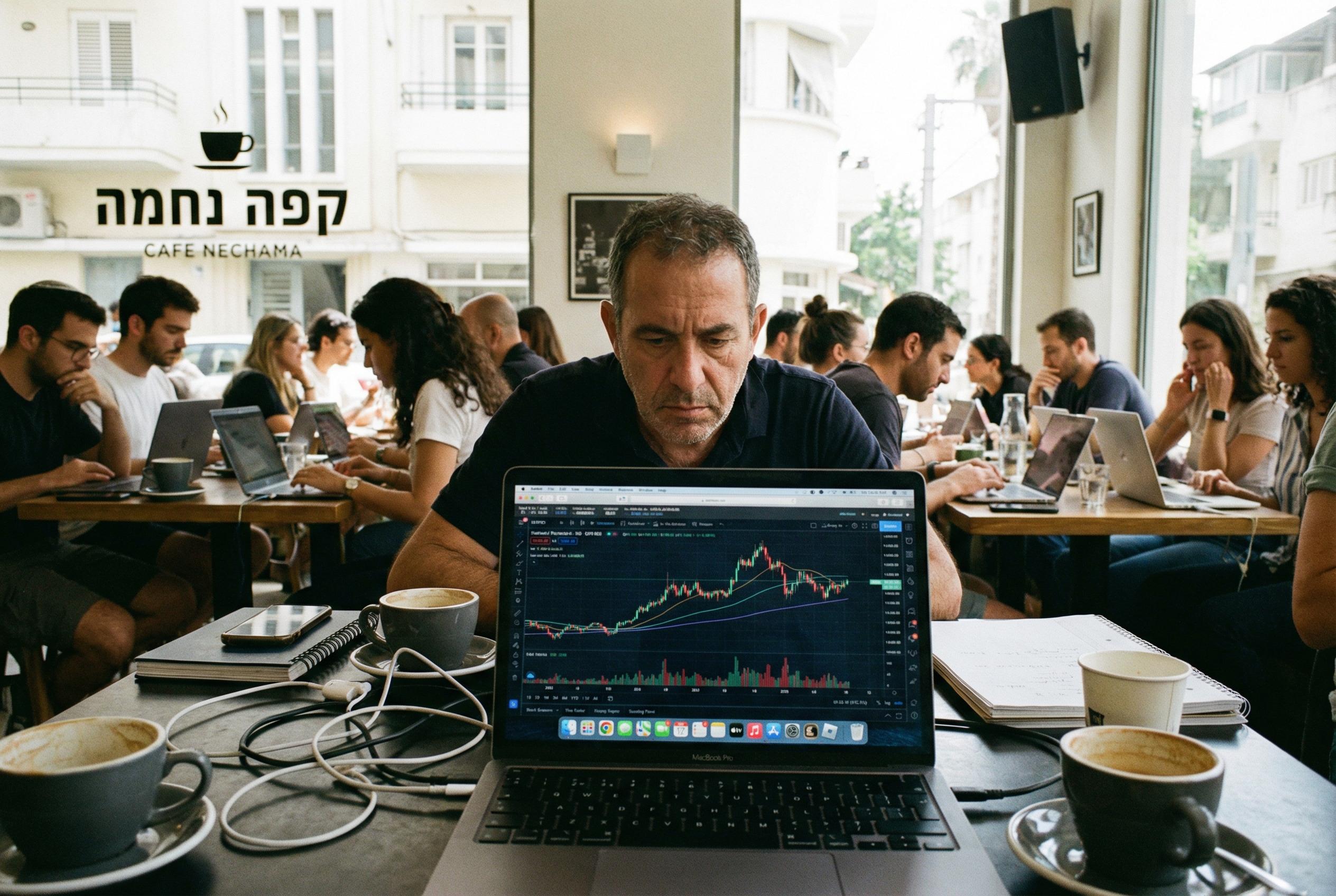
Prediction markets like Kalshi and Polymarket are rapidly moving from niche platforms to mainstream financial instruments, attracting billion-dollar valuations and prompting industry-wide scrutiny amid their potential to revolutionise expectations trading.
Wall Street is treating uncertainty as an investable asset, as prediction markets that let participants stake real money on specific outcomes move from niche curiosity toward mainstream finance. According to the report by ReadTheJoe, platforms such as Kalshi and Polymarket have attracted valuations in the billions and weekly turnover that now approaches the scale of traditional markets, signalling a rapid shift in how expectations are priced. [2]
The industry’s rise has drawn attention from established financial institutions. Goldman Sachs chief executive David Solomon described the phenomenon as "super interesting", and the sector has seen major incumbents place sizable bets of their own; Intercontinental Exchange has made a multibillion-dollar commitment to one leading platform, underscoring how trading in forecasts is intersecting with the incumbents of capital markets. ReadTheJoe reported these developments alongside commentary from market participants. [1],[2]
Traders are wagering on a startlingly broad array of outcomes, from political events to the wording of central-bank commentary. ReadTheJoe detailed episodes in which millions were pooled on particular phrases at a Jerome Powell press conference and estimated aggregate weekly volumes nearing $2bn as Americans place bets on weather, elections and corporate results. Such activity is producing probability signals that proponents say can improve forecasting. Critics counter that the mechanics closely resemble gambling, raising questions about consumer protection and market integrity. [1],[2]
Market-level data show one platform pulling ahead in trading intensity. Analytics cited by AInvest indicate Kalshi recently eclipsed Polymarket in U.S. activity, reporting weekly volumes above $500m and average open interest around $189m versus Polymarket’s roughly $430m in volume and $164m in open interest. Kalshi’s lower open interest-to-volume ratio suggests faster turnover and a preference for shorter-dated contracts, while Polymarket’s higher ratio reflects markets that lock capital for longer periods. [2],[3]
Polymarket has responded by broadening its footprint: the platform is expanding U.S. operations through the acquisition of a regulated derivatives venue and has launched earnings-focused markets in partnership with Stocktwits to combine real-time sentiment with tradable outcomes. These strategic moves illustrate competing product philosophies, the regulated, high-frequency, short-dated model favoured by Kalshi versus Polymarket’s emphasis on longer-duration, on-chain markets. [2]
Regulators and incumbent sportsbooks are taking note. Industry participants argue that prediction markets aggregate dispersed information into actionable probabilities, but opponents see little practical difference from conventional betting unless firms can demonstrate persistent predictive value and robust consumer safeguards. As scrutiny intensifies, companies are being pressed to show they are forecasting infrastructure rather than repackaged gaming products. ReadTheJoe and market analysts cited by AInvest both highlight that regulatory clarity will be decisive for the sector’s next phase. [1],[3]
Whether prediction markets settle into a complementary forecasting role for policymakers, investors and corporations or remain contested turf for leisure wagering will depend on liquidity, regulatory outcomes and demonstrable forecasting performance. For now the market is in the process of being financialised: participants are converting opinions into priced outcomes and legacy players are positioning to monetise the new layer of information trade. [1],[2],[3]
Source Reference Map Inspired by headline at: [1]
Sources by paragraph: - Paragraph 1: [2] - Paragraph 2: [1], [2] - Paragraph 3: [1], [2] - Paragraph 4: [2], [3] - Paragraph 5: [2] - Paragraph 6: [1], [3] - Paragraph 7: [1], [2], [3]
Source: Noah Wire Services